






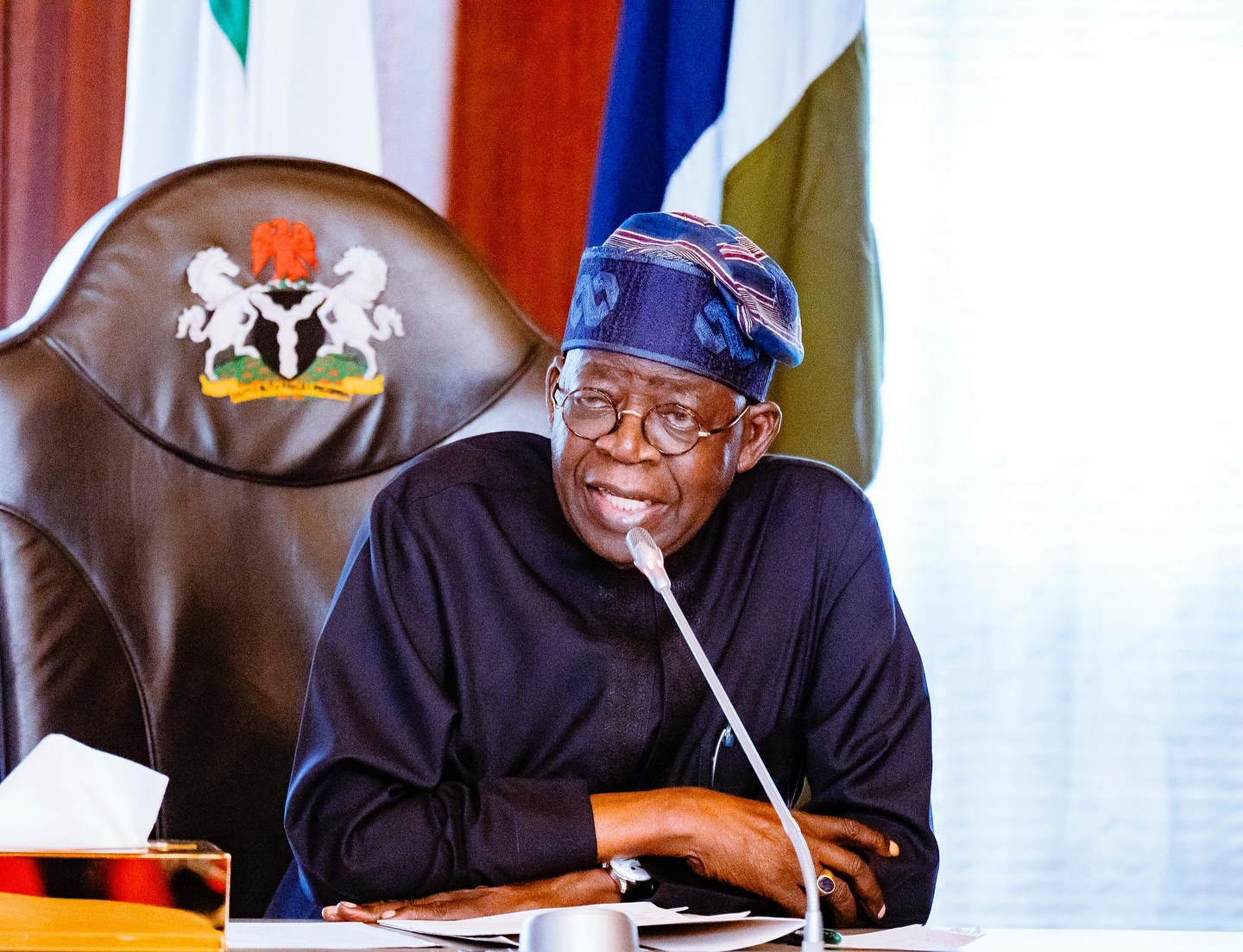
President Bola Ahmed Tinubu has moved to calm rising political tensions in Rivers State, stepping into a prolonged power struggle that has unsettled governance in one of Nigeria’s most economically strategic regions. At the same time, developments abroad have drawn attention back home as the United States deported 18 Nigerians over criminal convictions, highlighting ongoing security cooperation and immigration enforcement between both countries.
Rivers State has, in recent months, witnessed intense political friction rooted in a battle for control and influence among leading political actors. The disagreements evolved beyond routine political rivalry into open confrontation within the structures of government. Lawmakers were divided, executive decisions were challenged, and threats of impeachment created uncertainty about the continuity of leadership. The crisis generated widespread concern among residents and political observers who feared that prolonged instability could weaken governance and disrupt economic activities in the oil-rich state.
As tensions escalated, President Tinubu initiated efforts to mediate between the opposing factions. His intervention reportedly involved closed-door meetings and strategic dialogue aimed at de-escalating hostilities and restoring cooperation. The presidency’s involvement signaled the seriousness of the situation and underscored the federal government’s interest in preventing a breakdown of order in a state that plays a vital role in national revenue generation.
Political analysts note that Rivers State occupies a unique position in Nigeria’s economic structure. As a major oil-producing hub, the state contributes significantly to the country’s foreign exchange earnings. Any prolonged political instability could affect investor confidence, delay developmental projects, and strain administrative processes. For this reason, the president’s peace efforts are seen not only as a political necessity but also as an economic safeguard.
The mediation appears to have produced a temporary truce, easing immediate tensions and reducing the likelihood of drastic legislative actions. While differences among political actors may not have disappeared entirely, the tone of engagement has reportedly shifted toward dialogue rather than confrontation. Observers describe the development as a fragile but important step toward restoring normalcy in the state’s governance.
Beyond the immediate actors involved, the situation in Rivers reflects broader challenges within Nigeria’s political landscape, where internal party disputes and power struggles sometimes spill into public institutions. The intervention demonstrates the balancing act required at the federal level to maintain unity while respecting constitutional structures at the state level. It also highlights the importance of negotiation and compromise in resolving conflicts within a democratic framework.
While attention remains on domestic political developments, news of deportations from the United States has also captured public interest. American authorities confirmed that 18 Nigerian nationals were removed following convictions for various criminal offenses. The deportations are part of ongoing immigration enforcement measures that target non-citizens found guilty of serious crimes under U.S. law.
The removal of these individuals reflects broader international efforts to address transnational crime and enforce immigration regulations. For Nigeria, such deportations often raise questions about reintegration, rehabilitation, and the social impact of returning citizens who may face stigma or limited opportunities upon arrival. Government agencies typically coordinate to receive deportees and assess the necessary steps for reintegration into society.
Top Society recalls that this development also underscores the continued security and diplomatic engagement between Nigeria and the United States. Both countries have, over the years, collaborated on issues ranging from counterterrorism and cybercrime to financial fraud and human trafficking. Deportation processes are often part of bilateral agreements that ensure individuals who violate immigration laws or commit crimes abroad are returned to their home countries.
Experts note that cases involving fraud and other financial crimes have, in the past, shaped international perceptions and prompted closer scrutiny of cross-border activities. Strengthening domestic institutions, improving law enforcement capacity, and promoting public awareness remain essential components in addressing such concerns. The latest deportations may renew conversations around preventive measures and accountability.
Taken together, the peace efforts in Rivers State and the deportations from the United States highlight two different but significant dimensions of Nigeria’s current realities. On one hand, internal political stability remains crucial for effective governance and economic growth. On the other, international relations and security cooperation continue to influence the country’s global standing.
For residents of Rivers State, the immediate priority is a return to steady governance and developmental focus. Citizens and businesses alike benefit when political actors prioritize collaboration over confrontation. Sustained peace could allow the state government to concentrate on infrastructure, job creation, and service delivery without the distraction of internal conflict.
Meanwhile, the deportation of Nigerians from abroad serves as a reminder of the interconnected nature of today’s world. Actions taken by citizens overseas can have diplomatic and reputational consequences at home. Ensuring that young people have access to legitimate opportunities and promoting ethical conduct remain long-term strategies for reducing such incidents.
As Nigeria navigates these developments, leadership at both federal and state levels will continue to play a decisive role in shaping outcomes. Whether through political mediation or international cooperation, maintaining stability and strengthening institutions remain central to national progress.

