




Nigeria’s fight against insurgency has recorded significant progress, with President Bola Tinubu announcing that more than 124,000 insurgents and their family members have surrendered to security forces since 2023.
The President disclosed this while highlighting the achievements of ongoing military operations across various parts of the country, particularly in the North-East where terrorist activities have posed a major threat for more than a decade.
According to the President, the large number of surrenders reflects the increasing pressure being mounted on insurgent groups through coordinated military offensives, intelligence gathering, and community-based security initiatives. He noted that the successes recorded by the armed forces have weakened the operational capabilities of terrorist organizations and forced many fighters to abandon violence.
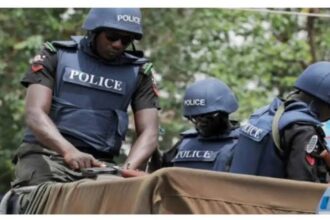
Tinubu commended members of the Nigerian Armed Forces, security agencies, and local vigilante groups for their commitment and sacrifices in protecting lives and safeguarding the nation’s territorial integrity. He stated that security personnel have continued to demonstrate courage and professionalism despite difficult conditions and persistent threats from criminal and extremist elements.
The President explained that the surrender of thousands of insurgents has created opportunities for authorities to expand rehabilitation and reintegration programmes designed to help former fighters return to civilian life. Through these initiatives, individuals who renounce violence are provided with vocational training, counseling, education, and support aimed at preventing a return to criminal activities.
While acknowledging the progress made, Tinubu stressed that the battle against terrorism is far from over. He warned that remnants of insurgent groups remain active in some regions and continue to pose security challenges. As a result, the government remains committed to sustaining military operations and strengthening intelligence networks to prevent any resurgence of extremist activities.
The President also highlighted improvements in collaboration between federal authorities, state governments, traditional rulers, and local communities. He noted that effective information sharing and community participation have become essential tools in identifying threats and disrupting the activities of criminal groups before they can carry out attacks.
Security analysts view the reported mass surrender of insurgents as a positive development that could contribute to long-term stability in conflict-affected areas. However, experts have also emphasized the need for careful monitoring of reintegration programmes to ensure that former fighters genuinely abandon violent ideologies and successfully transition back into society.
Residents in several communities previously affected by insurgent violence have welcomed the reported gains in security operations. Many have expressed hope that continued military pressure and rehabilitation efforts will allow displaced families to return home, revive economic activities, and rebuild communities that suffered years of destruction.
The Federal Government has repeatedly stated that restoring peace and security remains one of its top priorities. Alongside military campaigns, authorities are investing in development projects, humanitarian assistance, and economic opportunities aimed at addressing some of the underlying factors that contribute to instability and radicalization.
As Nigeria continues its efforts to defeat terrorism and violent extremism, the reported surrender of more than 124,000 insurgents and their dependents stands as one of the most significant milestones in recent security operations. Government officials maintain that with sustained commitment, stronger cooperation, and continued support for security agencies, the country can move closer to achieving lasting peace and stability.