






Comments by former United States diplomat Tibor Nagy have stirred fresh discussions about insecurity, governance, and separatist agitation in Nigeria, drawing attention to issues that have remained at the center of national discourse for years.
The former senior American official recently expressed concerns about developments in Nigeria, particularly regarding the situation in the South-East and reports of violence affecting communities in different parts of the country. His remarks have generated reactions among political observers, activists, and citizens, many of whom view the comments through the broader lens of Nigeria’s complex security and political challenges.
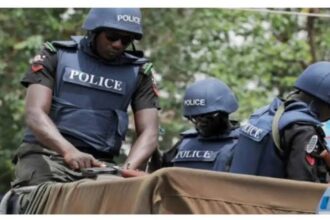
Nigeria has faced numerous security threats in recent years, ranging from insurgency and banditry to kidnapping, communal conflicts, and attacks by criminal groups. These challenges have affected several regions of the country and have placed immense pressure on security agencies and government institutions responsible for protecting lives and property.
Against this backdrop, discussions surrounding the South-East region have continued to attract attention. The region has remained a focal point of conversations about political inclusion, development, and the activities of groups advocating for self-determination. While supporters of these movements argue that they are seeking justice and greater representation, critics insist that separatist campaigns pose risks to national unity and stability.
Nagy’s intervention has added an international dimension to an already sensitive debate. His comments touched on concerns raised by some advocacy groups regarding violence against Christian communities and the handling of pro-Biafra voices. The remarks quickly gained traction on social media, where Nigerians expressed differing opinions on the issues he highlighted.
Some commentators welcomed the attention from an international figure, arguing that external voices can help draw global focus to challenges facing communities in Nigeria. Others, however, questioned the accuracy of some of the claims and maintained that the country’s security problems affect people from various ethnic and religious backgrounds rather than any single group.
The Nigerian government has consistently maintained that insecurity across the country is driven by multiple factors, including criminal activities, terrorism, economic pressures, and local conflicts. Officials have repeatedly stated that security operations are designed to protect all citizens regardless of religion, ethnicity, or political affiliation.
For many Nigerians, the debate goes beyond the statements of any individual. It reflects deeper concerns about governance and the need for lasting solutions to insecurity. Communities across the country continue to demand improved security, economic opportunities, and greater confidence in public institutions.
The issue of Biafran agitation remains particularly significant because of its historical roots. Decades after the end of the Nigerian Civil War, memories of the conflict continue to influence political discussions and public sentiment in parts of the country. For some people, the events of that era remain a source of unresolved grievances, while others believe national unity should remain the priority.
Over the years, various pro-Biafra organizations have emerged, each promoting different approaches to achieving their objectives. Some advocate peaceful dialogue and political engagement, while others have adopted more confrontational rhetoric. Their activities have frequently attracted attention from Nigerian authorities, leading to legal disputes, arrests, and ongoing political controversies.
Recent developments involving Biafran advocacy abroad have further intensified the conversation. Activists based outside Nigeria have increasingly sought international support for their cause, engaging policymakers, civil society groups, and foreign organizations. These efforts have helped keep the issue in the spotlight even as debates continue within Nigeria itself.
Political analysts say the involvement of foreign voices often amplifies domestic issues, especially when such comments come from individuals who previously held influential diplomatic positions. As a result, Nagy’s remarks have been viewed by some as an attempt to highlight concerns that deserve attention, while others see them as an oversimplification of Nigeria’s complex realities.
The reactions generated by the comments demonstrate how divided public opinion remains on matters relating to security and national identity. While some citizens agree that more should be done to address perceived injustices and improve governance in affected regions, others argue that emphasis should be placed on strengthening national institutions and fostering unity among the country’s diverse populations.
Observers note that the challenges facing Nigeria cannot be separated from broader economic and social realities. Rising unemployment, poverty, and limited opportunities for many young people have contributed to frustration in several communities. These conditions, they argue, create an environment in which grievances can grow and political tensions can become more pronounced.
There is also a growing consensus among policy experts that dialogue remains essential. Many believe that addressing longstanding concerns through inclusive governance, economic development, and meaningful engagement with communities offers a better path forward than confrontation or suppression.
As discussions continue, attention is likely to remain focused on how the government responds to security challenges and public concerns. Citizens, civil society groups, religious leaders, and political stakeholders continue to call for measures that will improve safety, strengthen trust in institutions, and promote national cohesion.
The renewed debate sparked by Nagy’s comments serves as a reminder that questions surrounding security, governance, and regional aspirations remain central to Nigeria’s future. While opinions differ sharply on the causes of these challenges and the best ways to address them, there is widespread agreement that lasting peace and stability are essential for the country’s progress.
Ultimately, the controversy reflects broader concerns about the direction of the nation and the need to ensure that every citizen feels represented, protected, and included in the country’s development. Whether through policy reforms, enhanced security efforts, or increased dialogue among stakeholders, many Nigerians hope that the issues highlighted in recent discussions will lead to constructive solutions rather than deeper divisions.

