




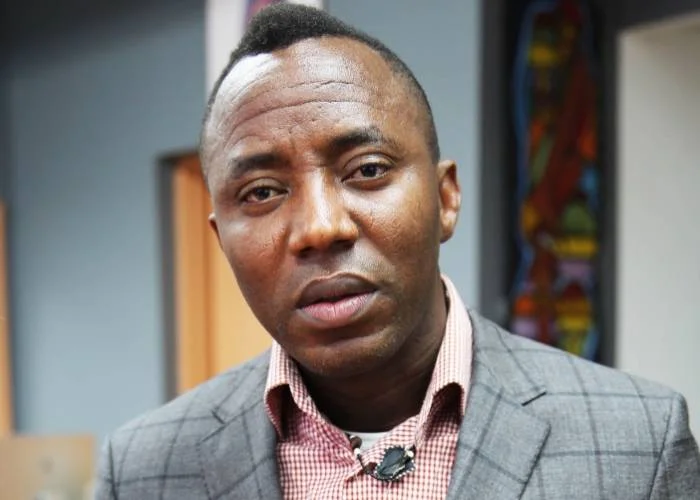
The June 12 Democracy Day protest in Abuja took an unexpected turn when human rights activist and former presidential candidate Omoyele Sowore reportedly collapsed after security operatives dispersed demonstrators with tear gas.
The incident, which unfolded near Eagle Square in the Federal Capital Territory, has generated widespread discussion about the handling of public demonstrations, the rights of citizens to peaceful assembly, and the relationship between security agencies and civil society groups in Nigeria.
The protest formed part of activities organized by activists and concerned citizens to draw attention to pressing national issues, including insecurity, economic hardship, the rising cost of living, and concerns about governance. Demonstrators gathered in Abuja and other parts of the country to mark Democracy Day while also expressing dissatisfaction with conditions affecting ordinary Nigerians.
Witnesses at the protest said participants initially marched peacefully through parts of the city, carrying placards and chanting slogans calling for reforms. The demonstrators were reportedly heading toward strategic government locations to present their demands when security operatives moved to disperse the gathering.
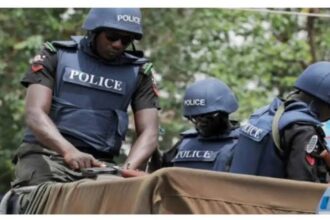
According to accounts from those present, police officers deployed tear gas canisters as protesters approached the vicinity of Eagle Square. The sudden release of the gas created confusion among the crowd, forcing many participants to run for safety while others struggled with the effects of the chemical fumes. Reports from the scene indicated that several protesters experienced breathing difficulties and irritation caused by exposure to the gas.
Sowore, who was among the leading figures at the protest, was reportedly affected by the tear gas. Witnesses said he inhaled the fumes and appeared to experience severe discomfort before collapsing. Videos and photographs circulating on social media showed fellow protesters rushing to assist him as concern spread among demonstrators. Activists at the scene quickly moved him away from the affected area and sought immediate medical attention.
The incident quickly became one of the most discussed aspects of the Democracy Day protests. Supporters expressed concern for the activist’s well-being, while critics questioned the necessity of deploying tear gas against a gathering that many participants described as peaceful. Civil society organizations and human rights advocates also reacted strongly, arguing that citizens should be able to express their grievances without fear of forceful dispersal.
Reports suggested that Sowore later regained consciousness and was transported to a medical facility for examination and treatment. While accounts differed on the exact severity of his condition, multiple sources indicated that he received medical care and was stabilized after being removed from the protest environment. As of the immediate aftermath of the incident, no comprehensive official medical report had been released to clarify the full extent of his condition.
The events of June 12 reignited conversations about the use of crowd-control measures during public demonstrations. Human rights groups have frequently argued that excessive force can escalate tensions rather than maintain public order. They contend that dialogue and measured engagement are often more effective in managing protests than aggressive dispersal tactics.
Security agencies, on the other hand, have historically defended crowd-control measures as necessary tools for maintaining law and order. Authorities often argue that large gatherings can pose security risks, particularly in sensitive areas of the capital. However, critics insist that any response by law enforcement must remain proportional and respect constitutional rights.
Democracy Day holds special significance in Nigeria’s political history. The annual observance commemorates the country’s democratic journey and serves as a reminder of the sacrifices made by citizens and activists in the struggle for democratic governance. For many Nigerians, the day represents not only a celebration of democratic achievements but also an opportunity to reflect on challenges that still require attention.
The protest led by Sowore and other activists reflected concerns shared by many citizens regarding economic conditions. Rising prices of essential goods, unemployment, insecurity, and the general cost of living have remained major topics of public debate. Demonstrators used the occasion to call for stronger government action in addressing these issues and improving the welfare of Nigerians.
Political observers noted that the incident involving Sowore could have broader implications for discussions surrounding civic participation in Nigeria. The activist has long been associated with public demonstrations and campaigns advocating accountability, transparency, and social justice. Over the years, he has remained one of the most recognizable figures in Nigeria’s protest movement, frequently organizing or participating in rallies focused on governance and human rights.
The confrontation between protesters and security personnel also highlighted the continuing tension between activists and law enforcement agencies. Similar clashes have occurred during previous demonstrations, often leading to accusations of excessive force and counterclaims regarding public safety concerns. Such incidents have repeatedly fueled calls for reforms aimed at improving how protests are managed across the country.
Many citizens who followed developments online expressed mixed reactions. While some condemned the use of tear gas and described the incident as unnecessary, others argued that authorities have a responsibility to prevent situations that could threaten public order. Regardless of differing opinions, there was widespread agreement that the health and safety of all participants should remain a priority during public events.
As discussions continue, attention is likely to remain focused on the broader issues that motivated the protest in the first place. Activists insist that concerns over insecurity, economic hardship, and governance require urgent solutions, while government officials face increasing pressure to demonstrate progress in addressing these challenges.
The collapse of Omoyele Sowore during the Democracy Day protest has therefore become more than a single news event. It has evolved into a symbol of the ongoing debate about democratic freedoms, civic engagement, and the balance between maintaining security and protecting the rights of citizens. As Nigeria continues to navigate complex political and social challenges, the events in Abuja may serve as another defining moment in the nation’s continuing conversation about democracy, accountability, and the role of peaceful protest in shaping public policy.

