






The Federal Government has unveiled a renewed strategy to transform Nigeria’s livestock industry by rehabilitating hundreds of grazing reserves across the country and encouraging pastoralists to adopt more structured livestock management practices.
The initiative forms part of a broader effort to reduce open grazing, improve agricultural productivity, and promote peaceful coexistence between herders and farming communities.
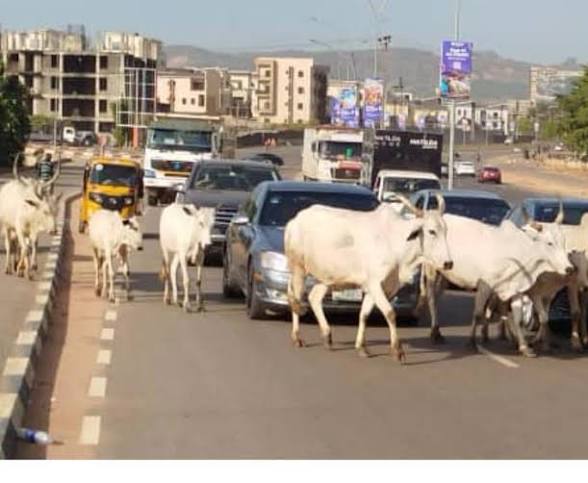
According to government officials, about 470 gazetted grazing reserves have been identified for rehabilitation and development. These reserves are expected to serve as designated locations where livestock owners can access essential facilities and services needed for modern animal husbandry. The move is aimed at gradually reducing the movement of cattle across highways, urban centres, and farmlands while creating a more sustainable system for livestock production.
The planned reforms come amid growing concerns over the challenges associated with open grazing. For decades, cattle movement across different parts of the country has generated debates over security, environmental sustainability, and the protection of farmlands. In several communities, clashes between farmers and herders have resulted in the loss of lives, destruction of property, and disruptions to agricultural activities.
Government authorities believe that strengthening grazing reserves will help address many of these issues by providing pastoralists with access to permanent settlements equipped with infrastructure and social services. The reserves are expected to include water facilities, veterinary clinics, access roads, schools, healthcare centres, and other amenities designed to improve the living conditions of livestock owners and their families.
Officials say the objective is not merely to relocate cattle but to create an environment where livestock production can be carried out more efficiently. Modern livestock management practices are expected to improve animal health, increase meat and dairy production, and contribute to national food security. The government also hopes the initiative will attract private investment into the sector and create employment opportunities along the livestock value chain.
The rehabilitation programme is expected to be implemented in phases, beginning with selected reserves that will serve as pilot projects. Lessons learned from these locations will guide the expansion of the programme to other parts of the country.
Authorities have emphasized the importance of collaboration with state governments, local communities, traditional institutions, and development partners to ensure the success of the initiative.
One of the major goals of the programme is to reduce the presence of roaming cattle in major cities. In recent years, the sight of cattle moving through busy roads and urban centres has raised concerns among residents and traffic authorities. Government officials maintain that livestock operations should be conducted in designated areas where animals can be properly managed and monitored.
Beyond addressing urban cattle movement, the initiative is also expected to support efforts aimed at resolving conflicts linked to competition for land and water resources. By providing dedicated locations for grazing and livestock production, policymakers believe tensions between farmers and herders can be significantly reduced. This, in turn, could contribute to improved security and greater economic stability in affected regions.
The livestock sector remains an important component of Nigeria’s economy, supporting millions of livelihoods and contributing to food production. However, experts have long argued that the industry requires modernization to meet the demands of a growing population. The planned rehabilitation of grazing reserves is being presented as a major step toward achieving that goal.
Stakeholders in the agricultural sector have welcomed discussions around improving livestock infrastructure, noting that better facilities could help increase productivity and reduce losses caused by disease outbreaks and inadequate animal care. They also argue that providing pastoralists with access to education, healthcare, and social amenities can encourage more settled forms of livestock management.
As implementation plans move forward, attention will likely focus on funding, community engagement, and the ability of authorities to ensure that the reserves remain functional and attractive to livestock owners. Success will depend not only on infrastructure development but also on sustained support services and effective management.
For many observers, the initiative represents an opportunity to reshape Nigeria’s livestock industry and create a system that balances economic growth with social stability. If successfully implemented, the rehabilitation of the identified grazing reserves could mark a significant shift in the way livestock production is carried out across the country.
The Federal Government remains optimistic that the programme will help create a more organized livestock sector, improve food production, enhance rural development, and reduce conflicts associated with open grazing. While challenges are expected along the way, officials insist that the long-term benefits of a modernized livestock industry outweigh the difficulties of the transition.
As Nigeria continues to pursue agricultural reforms, the development of grazing reserves is expected to play a key role in shaping the future of livestock production, strengthening food security, and promoting peaceful coexistence among the various groups that depend on the nation’s agricultural resources.

