

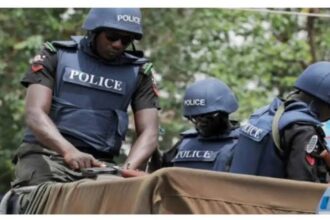



The recent decision by the Nigeria Police Force to dismiss rumours of threats and deploy personnel nationwide to UTME centres highlights a deeper and more urgent priority protecting children at one of the most important moments of their academic journey.
When students sit for exams, they should be thinking about their answers, not their safety. Ensuring that sense of security is not optional; it is essential.
The Unified Tertiary Matriculation Examination, organized by the Joint Admissions and Matriculation Board, represents a defining milestone for millions of young Nigerians. For many of these candidates, this exam shapes their access to higher education and future opportunities. But beyond academics, these are still children and teenagers placed in unfamiliar environments, often far from home, relying on adults and institutions to keep them safe.
Any hint of insecurity whether real or rumored can have a powerful psychological impact. Fear can distract candidates, reduce concentration, and ultimately affect performance. Even parents and guardians, already anxious about their children’s success, are left worried about their safety. This is why the presence of visible, well-coordinated security is so critical. It reassures not only the students but also the families who entrust the system with their children’s well-being.
By deploying officers across examination centres, authorities are addressing both protection and perception. Security is not just about preventing incidents; it is also about creating an environment where students feel calm, focused, and supported. A secure environment allows candidates to perform at their best, free from anxiety and external distractions.
This situation also highlights the growing danger of misinformation. In today’s digital age, rumours can spread rapidly, creating panic even when no real threat exists. For young candidates, who may already be under pressure, such information can be overwhelming. Proactive responses from security agencies clear communication, visible presence, and swift actionhelp counter fear before it takes root.
However, ensuring safety at UTME centres should not be treated as a one-time effort. It must become a standard practice embedded in Nigeria’s education system. Strong collaboration between security agencies, school authorities, and local communities is necessary to maintain consistent protection. From proper crowd control to emergency response planning, every detail matters when children are involved.
Ultimately, the message is clear: examinations are not just academic events, they are moments that shape young lives. Protecting candidates means protecting the future. By prioritizing adequate security, Nigeria is not only safeguarding an exam process but also affirming its responsibility to care for its children when they need it most.