






Nigeria’s political and economic landscape continues to evolve amid a mix of symbolic gestures, emerging security concerns, and cautious optimism from business leaders. Recent developments involving a state governor’s public tribute to a former political ally, reports of terror-related threat letters in North Central Nigeria, and renewed discussions around currency stability have collectively drawn national attention.
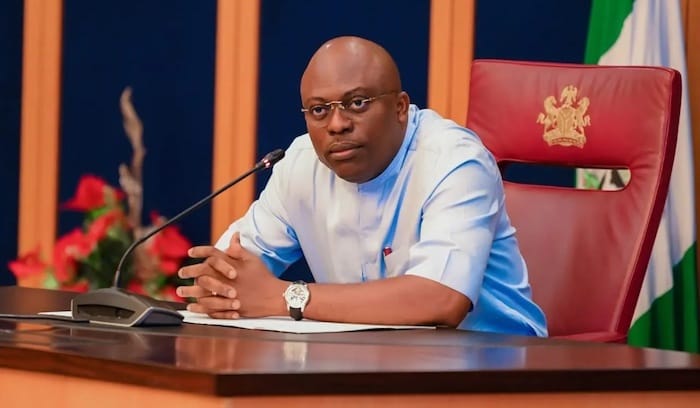
In Rivers State, Governor Siminalayi Fubara publicly dedicated a recent award to his predecessor, Nyesom Wike, in a move widely interpreted as a political signal. The gesture comes against the backdrop of months of political tension and speculation about the relationship between the two influential figures.
The governor, while receiving the recognition at a public function, described the honor as a testament not only to his administration’s efforts but also to the foundation laid by past leadership. Observers see the dedication as a strategic attempt to project unity and continuity in governance, especially in a state that has experienced internal political realignments and shifting alliances.
Political analysts note that Rivers State remains one of Nigeria’s most politically significant states due to its economic importance and voting strength. Any sign of reconciliation or renewed cooperation between major actors can influence party structures, legislative stability, and broader national calculations ahead of future electoral cycles.
While the symbolic dedication may ease tensions in some quarters, it also highlights the complex dynamics of political mentorship and rivalry in Nigeria’s democratic landscape. In a system where loyalty and influence often overlap, public gestures can carry layered meanings beyond their immediate ceremonial context.
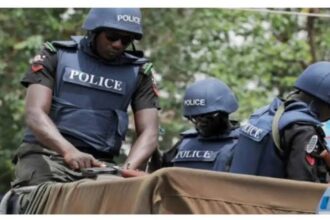
Meanwhile, security concerns have resurfaced in Kwara State following reports of anonymous terror threat letters circulated within certain communities. According to local sources, the letters warned of potential attacks and urged residents to comply with unspecified demands. Although authorities have not confirmed the credibility of the threats, security agencies have reportedly increased surveillance and patrols in affected areas as a precaution.
Kwara, traditionally considered relatively calm compared to some northern states battling insurgency and banditry, has in recent years faced sporadic security incidents. The emergence of threat letters has raised anxiety among residents, particularly given the broader national context of insecurity in parts of the country.
Security experts caution that such letters can serve multiple purposes from genuine extremist intimidation tactics to attempts at spreading fear and destabilizing communities. In many cases, investigations reveal them to be hoaxes or acts of criminal mischief. However, authorities typically treat all threats with seriousness to prevent complacency.
Community leaders in Kwara have urged residents to remain calm and cooperate with law enforcement while avoiding the spread of unverified information. Social media amplification of such reports often intensifies public fear, making responsible communication crucial during sensitive periods.
Beyond politics and security, economic discourse has also taken center stage as business leaders weigh in on Nigeria’s currency outlook. Executives across banking, manufacturing, and trade sectors have commented on recent efforts to stabilize the naira, emphasizing the need for consistency in fiscal and monetary policy.
Over the past year, Nigeria has faced significant currency volatility driven by foreign exchange reforms, fluctuating oil revenues, and global economic pressures. The unification of exchange rates and subsequent market adjustments initially triggered sharp depreciation, increasing import costs and inflationary pressure.
However, some industry stakeholders argue that recent policy coordination between fiscal authorities and the central banking system has begun to restore cautious confidence. They point to improved transparency in the foreign exchange market and measures aimed at boosting dollar liquidity as positive steps.
Business leaders stress that long-term currency stability depends on structural reforms beyond short-term interventions. Diversifying export earnings, strengthening local production capacity, improving infrastructure, and enhancing investor confidence are repeatedly cited as essential components of sustainable economic resilience.
Manufacturers in particular have emphasized the importance of predictable exchange rates for planning and pricing. Volatility, they argue, complicates procurement decisions and raises operational costs, ultimately affecting consumers through higher prices.
Financial analysts also note that diaspora remittances, foreign portfolio inflows, and multilateral funding arrangements can temporarily ease pressure on the naira. Yet they warn that sustained stability requires a strong productive base and consistent macroeconomic policy direction.
Taken together, these developments illustrate the interconnected nature of governance in Nigeria. Political symbolism in Rivers State reflects ongoing efforts to manage alliances and maintain institutional stability. Security vigilance in Kwara underscores the persistent challenge of safeguarding communities against both real and perceived threats. Meanwhile, economic conversations around currency stability reveal the delicate balance policymakers must maintain in navigating reform and public expectation.
As Nigeria continues to confront complex national realities, the interplay between politics, security, and economic management remains central to public discourse. Citizens, investors, and observers alike will be watching closely to see how these narratives unfold whether gestures of political unity translate into sustained cooperation, whether security threats are effectively neutralized, and whether currency reforms ultimately deliver the stability many Nigerians seek.

