






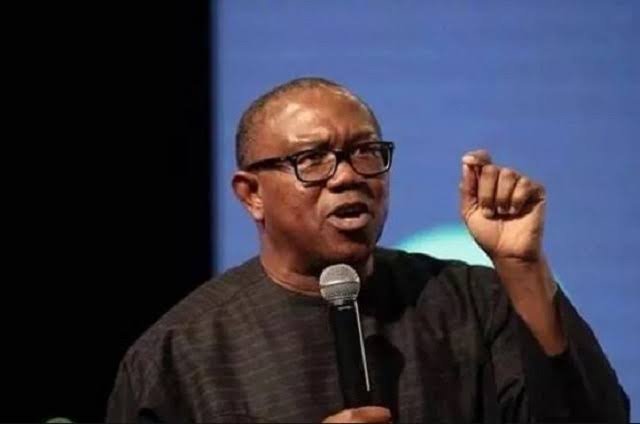
The Presidency has criticized former Anambra State governor and 2027 presidential candidate, Peter Obi, over his pledge to increase Nigeria’s electricity generation and distribution capacity to 10,000 megawatts within four years if elected president.
According to the Presidency, Obi’s campaign promise fails to acknowledge the progress already made in Nigeria’s power sector under the administration of President Bola Ahmed Tinubu.
Officials argued that the country has already attained and, at various times, exceeded the 10,000MW threshold in available generation capacity, making Obi’s promise less ambitious than it appears.
The criticism comes weeks after Obi unveiled his development agenda during the convention of the Nigeria Democratic Congress (NDC), where he pledged to ensure a minimum of 10,000MW increase in power generation and distribution within a single four-year term. Obi described Nigeria’s electricity supply as inadequate for a nation of over 200 million people and said improving power availability would be central to economic growth and industrial development.
Responding to the pledge, Presidency officials maintained that the real challenge facing the power sector is not simply generation capacity but also transmission, distribution, infrastructure limitations, and energy losses across the electricity value chain. They argued that focusing solely on a 10,000MW target overlooks the complexities involved in delivering stable power to homes and businesses nationwide.
The exchange has added another dimension to the growing political rivalry ahead of the 2027 general election. Supporters of Obi insist that his promise refers not merely to installed or available capacity but to reliable electricity that reaches consumers consistently. They argue that despite official figures, many Nigerians continue to experience frequent blackouts and depend heavily on generators for power.
Political analysts note that electricity remains one of the most important issues in Nigerian politics, with successive administrations facing criticism over the country’s persistent power shortages. While governments often point to improvements in generation capacity, citizens and businesses frequently judge performance based on the actual electricity they receive.
As political campaigns gather momentum, the debate over Nigeria’s power sector is expected to remain a major talking point, with both the Presidency and opposition figures using electricity statistics to support competing narratives about the country’s progress and future direction.

