







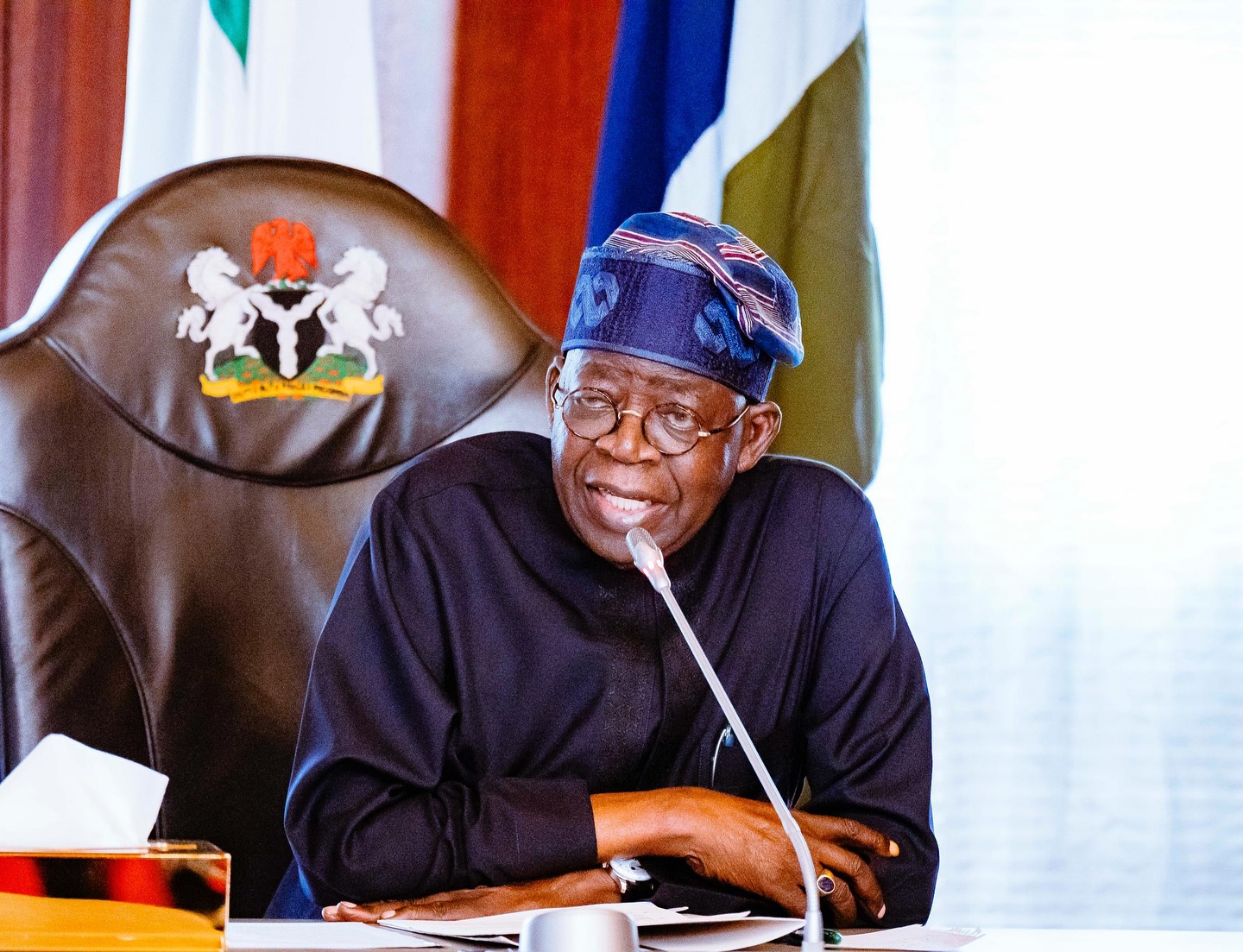
President Bola Ahmed Tinubu has moved to reassure Nigerians amid growing frustration over persistent blackouts, unveiling plans aimed at strengthening electricity supply through renewed investment in the national grid. While such assurances are not new in Nigeria’s energy discourse, the strategic framing of this intervention suggests a broader attempt to reset the direction of the country’s struggling power sector.
Nigeria’s electricity challenges have long been a drag on economic growth and daily life. Despite years of reforms under successive administrations, supply remains inconsistent, with many households and businesses relying heavily on generators. Against this backdrop, Tinubu’s latest statement is being interpreted not just as a response to public concern, but as part of a larger effort to reposition energy as a cornerstone of national development.
At the heart of the president’s promise is a renewed focus on grid infrastructure. The national grid has suffered repeated collapses, outdated transmission lines, and limited capacity to distribute generated power efficiently. By prioritizing investment in grid expansion and modernization, the administration appears to be targeting one of the most critical bottlenecks in the electricity value chain. Strategically, this signals a shift from simply increasing generation capacity to addressing systemic weaknesses in transmission and distribution.
The emphasis on infrastructure also aligns with broader economic objectives. Reliable electricity is essential for industrialization, small business growth, and digital innovation. Without it, productivity remains constrained, and the cost of doing business stays high. Tinubu’s approach suggests recognition that power sector reform is not an isolated issue, but a foundational element of economic policy.
Another key aspect of the administration’s strategy is the potential for public-private collaboration. Nigeria’s power sector has undergone partial privatization, yet challenges persist due to weak investment flows, regulatory uncertainty, and financial constraints.
By signaling openness to new investments, the government may be attempting to rebuild investor confidence and attract both domestic and foreign capital into the sector. This could prove crucial, as the scale of funding required to overhaul the grid runs into billions of dollars.
However, the credibility of these promises will depend largely on execution. Past governments have announced ambitious plans that failed to translate into measurable improvements. For Tinubu’s strategy to succeed, it must overcome entrenched issues such as poor governance, inefficiencies within distribution companies, and revenue collection challenges. Without addressing these structural problems, new investments alone may not yield the desired outcomes.
There is also the question of affordability. Efforts to improve electricity supply often come with tariff adjustments, which can place additional pressure on consumers already grappling with rising living costs. Balancing the need for cost-reflective tariffs with social protection measures will be a critical test for the administration. A strategy that improves supply but makes electricity unaffordable risks triggering further public dissatisfaction.
From a political standpoint, the timing of the announcement is significant. As Nigeria gradually moves toward the next electoral cycle, delivering tangible improvements in electricity could strengthen public confidence in the government. Power supply is one of the most visible indicators of governance, and progress in this area is likely to resonate strongly with citizens.
Security considerations also intersect with the power sector. Infrastructure such as transmission lines and substations has increasingly become vulnerable to vandalism and sabotage in certain regions. Any comprehensive strategy to improve electricity supply must therefore include measures to protect critical assets and ensure operational stability.
On a regional level, Nigeria’s energy reforms carry implications beyond its borders. As the largest economy in West Africa, improvements in its power sector could enhance cross-border electricity trade and support regional integration efforts under the Economic Community of West African States framework. This adds a geopolitical dimension to what might otherwise appear as a domestic policy issue.
Ultimately, Tinubu’s assurance represents both an opportunity and a test. The strategic focus on grid investment, stakeholder collaboration, and systemic reform indicates an awareness of the complexities involved in fixing Nigeria’s electricity sector. Yet the path from policy announcement to practical impact is fraught with challenges.
For millions of Nigerians, the expectation is simple: more stable and reliable power. Whether this latest initiative can deliver on that expectation will depend on sustained commitment, transparent implementation, and the ability to navigate the deeply rooted issues that have long defined the sector.
If successful, the reforms could mark a turning point, not just for electricity supply, but for Nigeria’s broader economic trajectory. If not, they risk becoming another chapter in a long history of unfulfilled promises in the power sector.

